
"coffee acidity by roast"
10000 article(s) found

Relationship between roasting degree and PH value of sour coffee
Most people mistakenly think that coffee is sour if it is not fresh, and sour coffee is not good. This is really a great smear and misunderstanding! In fact, coffee itself is an acidic beverage. Whether coffee is sour or not depends on the baking degree of beans. The longer the baking time is, the higher the caramelization degree is, and the more acidic substances are destroyed, the less sour it is, and the shorter the baking time is, the lower the caramelization degree is.

What is caffeic acid? How is the coffee sour? Is it because of the coffee acid?
Professional Coffee knowledge Exchange more information on coffee beans Please follow the coffee workshop (Wechat official account cafe_style) Coffee sour source pleasant acid and unpleasant acid caffeic acid (English: Caffeic acid) is an organic compound belonging to hydroxycinnamic acid with both phenolic hydroxyl and acrylic acid functional group structure. Because caffeic acid is a biosynthetic plant.
Detailed analysis of mineral carbohydrates in coffee beans
Moisture: the water content of coffee beans varies greatly with different processing stages and products. The moisture content of wet coffee beans with film is about 50%, while that of dried raw coffee beans is about 10%-13%. The water content of roasted coffee beans is only less than 5%. The existence of water in coffee beans is the same as other kinds of food and beverages, because it contains a considerable amount of hydration colloid macromolecules.

Several acids in roasted coffee
There are mainly the following kinds of acids in roasted coffee-Zheng Wei (Italian Coffee University). According to the first edition of the chemistry of quality, there are mainly the following acids in roasted coffee: formic acid is the most in shallow roasting, and acetic acid decreases with the deepening of deep roasting, and decreases with the deepening of deep roasting.

Several acids in roasted coffee
There are mainly the following kinds of acids in roasted coffee-Zheng Wei (Italian Coffee University). According to the first edition of the chemistry of quality, there are mainly the following acids in roasted coffee: formic acid is the most in shallow roasting, and acetic acid decreases with the deepening of deep roasting, and decreases with the deepening of deep roasting.
Boutique coffee roasting knowledge of acid in roasted coffee
Formic acid is the most in shallow baking, and acetic acid is the most in shallow baking with the deepening of deep baking. with the deepening of deep baking, pyruvate and baking degree-independent lactic acid and baking degree-independent malic acid are the most in shallow baking, and citric acid is the most in shallow baking with the deepening of deep baking.

What are the ingredients of coffee? The caffeine content of coffee beans caffeine in coffee
Professional coffee knowledge exchange more coffee bean information please follow the coffee workshop (Wechat official account cafe_style) Why some coffee has the sour taste of plums? Some even smell like fruit vinegar. Why do some beans look so shiny? Is it because it has been kept for a long time? Why does some coffee taste so bitter? And caffeine. . . . Isn't it?
Can we only judge the acidity of coffee beans by roasting? how to choose sour coffee beans?
When choosing coffee beans, most consumers are most concerned about the acidity of coffee beans. However, if you only look at the depth of roasting, you can not fully reflect the acidity of beans, because coffee beans and treatment methods will affect. Baking degree, you always want to know. Although you can probably know the taste of coffee beans by looking at the flavor description before purchase.

Detailed analysis of low molecular weight sugars in coffee beans
Moisture: the water content of coffee beans varies greatly with different processing stages and products. The moisture content of wet coffee beans with film is about 50%, while that of dried raw coffee beans is about 10%-13%. The water content of roasted coffee beans is only less than 5%. The existence of water in coffee beans is the same as other kinds of food and beverages, because it contains a considerable amount of hydration colloid macromolecules.
The roasting process of roasted coffee.
Coffee processing roasted coffee beans are peeled by mechanical, manual or other means to remove the peel and most of the pulp. Fermentation removes the mucus and film from the core by fermentation. as the length of fermentation time will affect the flavor of coffee, each manufacturer has its own fermentation time. The drying method is mainly divided into natural sun drying and natural air drying. Excessive water content capacity
The roasting process of roasted coffee.
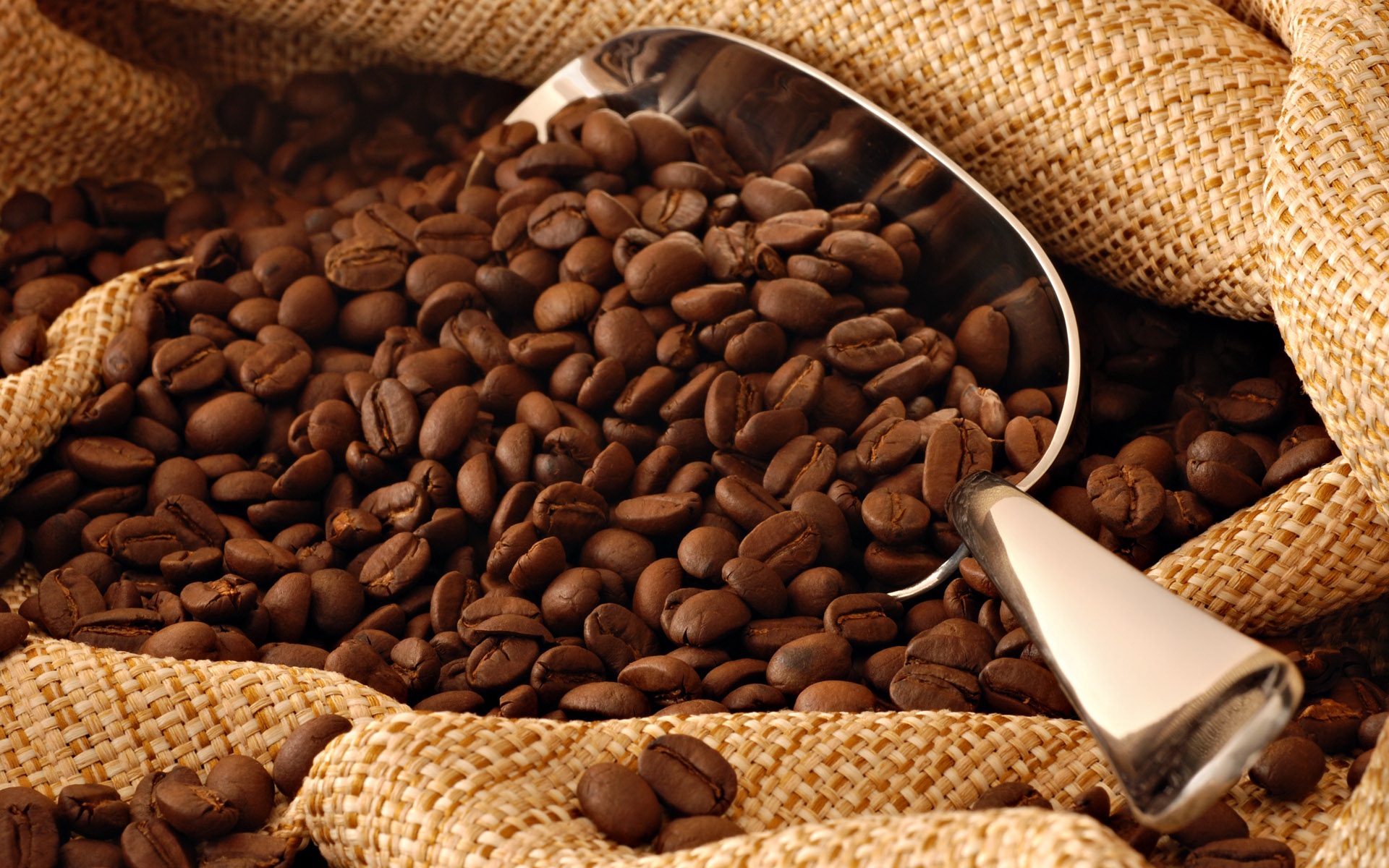
Coffee processing roasted coffee beans are peeled by mechanical, manual or other means to remove the peel and most of the pulp. Fermentation removes the mucus and film from the core by fermentation. as the length of fermentation time will affect the flavor of coffee, each manufacturer has its own fermentation time. The drying method is mainly divided into natural sun drying and natural air drying. Excessive water content capacity

Detailed Analysis of Coffee Bean ingredients basic knowledge of Fine Coffee
Moisture: the water content of coffee beans varies greatly with different processing stages and products. The moisture content of wet coffee beans with film is about 50%, while that of dried raw coffee beans is about 10%-13%. The water content of roasted coffee beans is only less than 5%. The existence of water in coffee beans is the same as other kinds of food and beverages, because it contains a considerable amount of hydration colloid macromolecules.
Any of several acids in roasted coffee.
There are mainly the following kinds of acids in roasted coffee-Zheng Wei (Italian Coffee University). According to the first edition of the chemistry of quality, there are mainly the following acids in roasted coffee: formic acid is the most in shallow roasting, and acetic acid decreases with the deepening of deep roasting, and decreases with the deepening of deep roasting.

Any of several acids in roasted coffee.
There are mainly the following kinds of acids in roasted coffee-Zheng Wei (Italian Coffee University). According to the first edition of the chemistry of quality, there are mainly the following acids in roasted coffee: formic acid is the most in shallow roasting, and acetic acid decreases with the deepening of deep roasting, and decreases with the deepening of deep roasting.

Basic knowledge of sour Coffee
Miss, why is the breakfast coffee sour today? I don't like it. Could you give me a cup of coffee that is not sour? This problem has been bothering coffee makers. Most people mistakenly think that coffee is sour if it is not fresh, and sour coffee is not good. This is really a great smear and misunderstanding! In fact, coffee itself is an acidic drink. Whether coffee is sour or not depends on the baking degree and roasting of beans.
Is sour coffee good coffee? Why is most coffee made by hand sour now?
Now go to a coffee shop and have a cup of hand-brewed coffee. Eight out of 10 coffee beans are sour. This coffee bean is citric acid, that coffee bean is plum acid. As if creating coffee that's only sour is the coffee of the century. Why is the coffee now hand brewed is biased toward the fruit acid type? Some older ones.

Detailed analysis of the ingredients of coffee beans general knowledge of fine coffee
Moisture: the water content of coffee beans varies greatly with different processing stages and products. The moisture content of wet coffee beans with film is about 50%, while that of dried raw coffee beans is about 10%-13%. The water content of roasted coffee beans is only less than 5%. The existence of water in coffee beans is the same as other kinds of food and beverages, because it contains a considerable amount of hydration colloid macromolecules.
Coffee basics several acids in roasted coffee
There are mainly the following kinds of acids in roasted coffee-Zheng Wei (Italian Coffee University). According to the first edition of the chemistry of quality, there are mainly the following acids in roasted coffee: formic acid is the most in shallow roasting, and acetic acid decreases with the deepening of deep roasting, and decreases with the deepening of deep roasting.

The relationship between the decomposition of chlorogenic acid and coffee roasting process
Follow Kaiping (official Wechat account vdailycom) found that chlorogenic acid is formed by the dehydration condensation of quinic acid and caffeic acid through esterification. This is a reversible reaction. In other words, chlorogenic acid can be hydrolyzed into quinic acid and caffeic acid when it comes to water. Since hydrolysis is an endothermic reaction, coffee is roasted.

Boutique coffee roasting light roasted coffee stimulation of slight acid
Accustomed to drinking deep-roasted coffee that is monotonous and unfruitful, do you want to try light-roasted coffee that is clear and layered? According to Leaving, coffee itself is an acidic beverage. Whether coffee is sour or not depends on the baking degree of beans. The longer the roasting time is, the higher the caramelization degree is, and the more acidic substances are destroyed, the less sour it is, the shorter the baking time, and the caramelization process.